“The mind cannot conceive or bring forth its offspring unless it is washed by a vast river of literature.“
-Petronius

All Quiet on the Modernist Front: David Jones’ In Parenthesis
We must never turn away from horror. One of the vital responsibilities of the artist is to bear witness to atrocities, disasters, and tragedies – to shine a light into the dark corners of human experience. But sometimes the way in which an artist approaches this great task is as important as the content of…
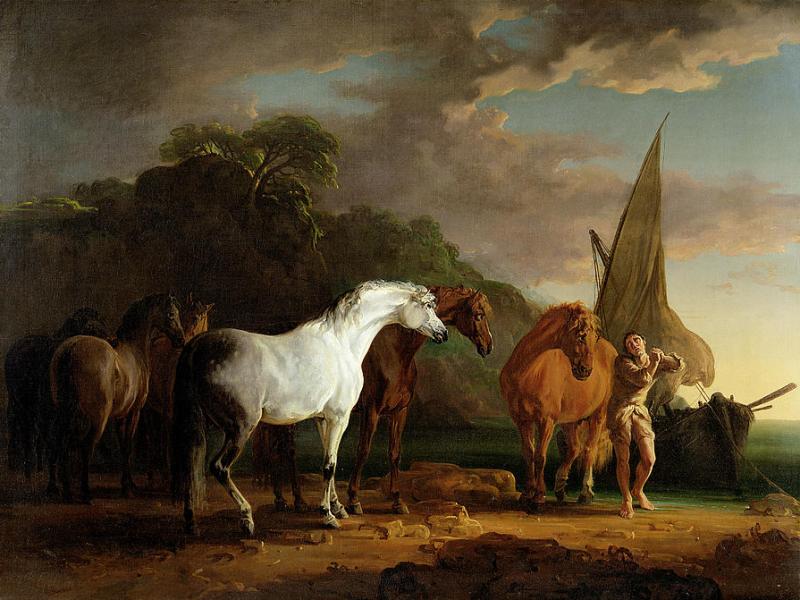
All the Pretty Horses: Gulliver Among the Houyhnhnms
An ambiguous duality lies at the heart of all good satire. The author invites us to have a laugh at folly or vice. The humor helps us consider these realities from a safe distance because the themes they indict, if considered seriously, are not truly funny. Greed is a serious failing, yet we chuckle at…
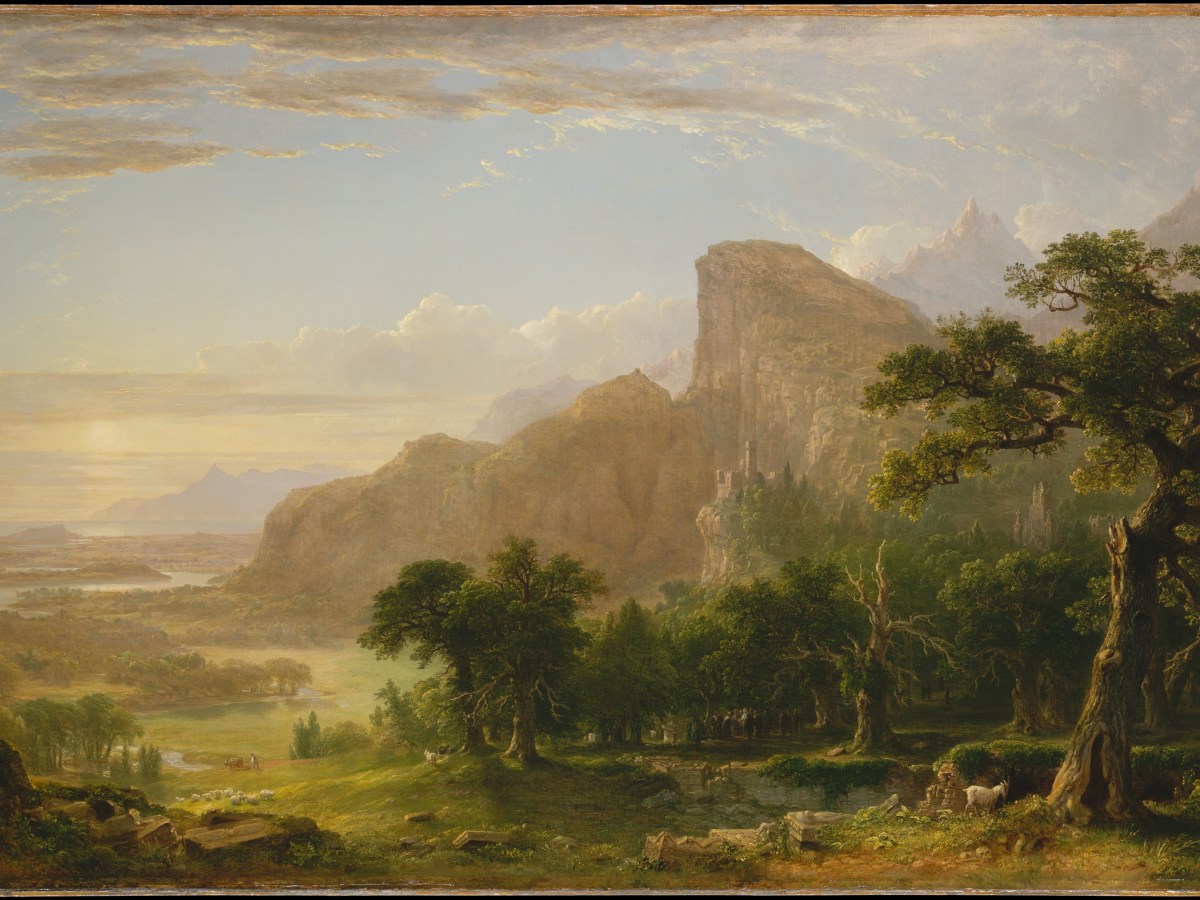
Eternal Beauty: Exploring The Countess of Pembroke’s Arcadia
And Lord, dear cousin,’ said he, ‘doth not the pleasantness of this place carry in itself sufficient reward for any time lost in it? Do you not see how all things conspire together to make this country a heavenly dwelling? Do not these stately trees seem to maintain their flourishing old age with the only…
What Can Be Said?
A Note to My Readers Dear Reader, I normally devote this space to the exploration of literature. I have not maintained these pages much during this past year due to personal pressures on my time. I plan to return to active blogging on my more usual themes shortly. However, I feel that the events of…
What We Talk About When We Talk About Stories
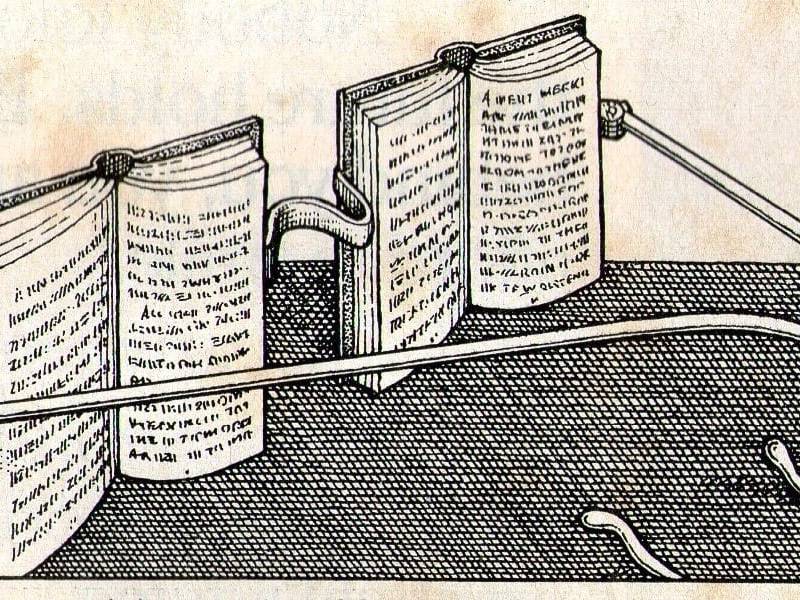
“Far-li-mas, therefore, was summoned. He appeared, and the king said: ‘The day has arrived when you must cheer me. Tell me a story.’ ‘The performance is quicker than the command,’ said Far-li-mas, and he began. The king listened to the story; the guests also listened. The king and his guests forgot to drink, forgot to…

A Postmodern Eighteenth-Century Novel: Jacques the Fatalist
We tend to think of experimentation with form and meta-narratives that call attention to their artificiality as the exclusive traits of postmodernism. But if we glance in the rearview mirror of history, we can sometimes find works from the past that also employ these same storytelling strategies. Joe Bray suggests that the eighteenth century is…
Sailing From Byzantium: A Meditation on Encountering History
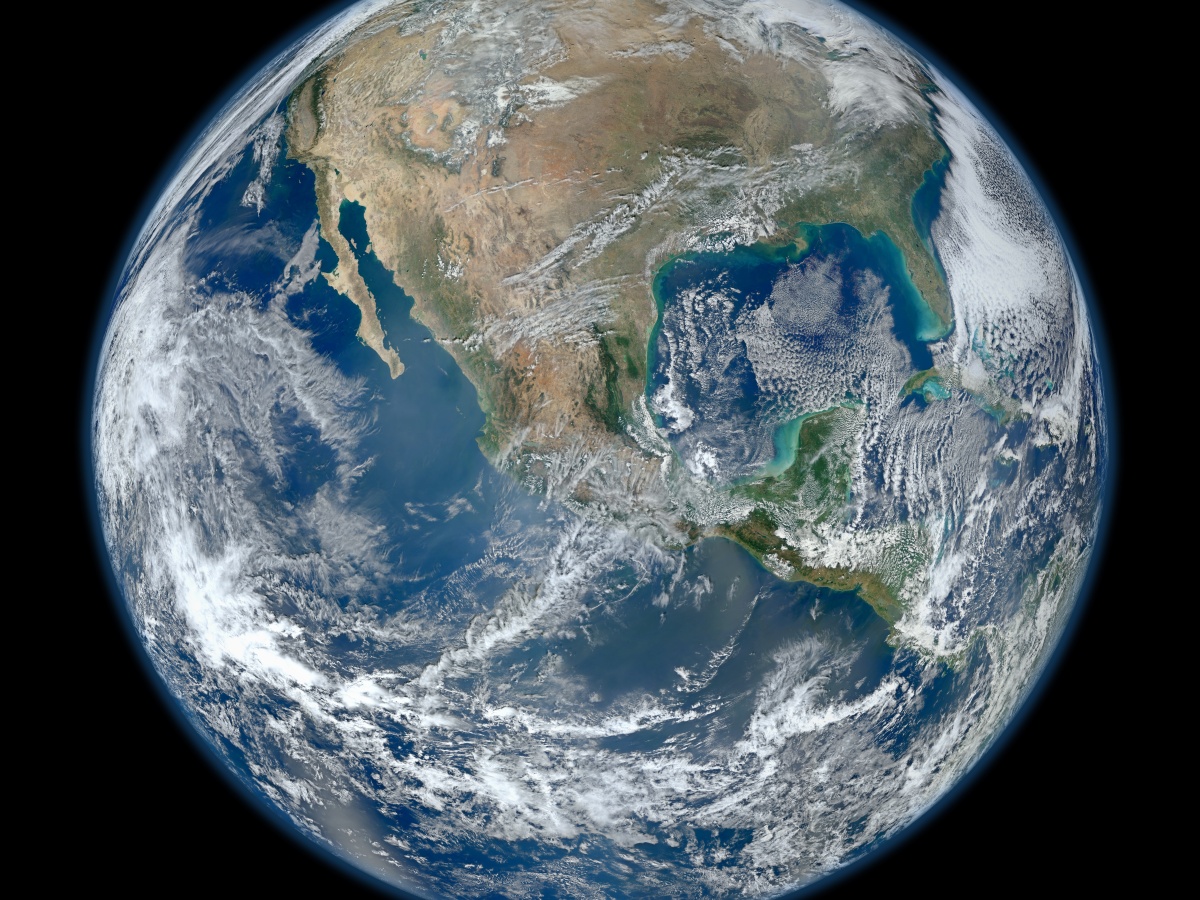
Once out of nature, I shall never take/ My bodily form from any natural thing,/ But such a form as Grecian goldsmiths make/ Of hammered gold and gold enamelling/ To keep a drowsy Emperor awake;/ Or set upon a golden bough to sing/ To lords and ladies of Byzantium/ Of what is past, or passing,…
Is there Anyone Who Does Not Dream?
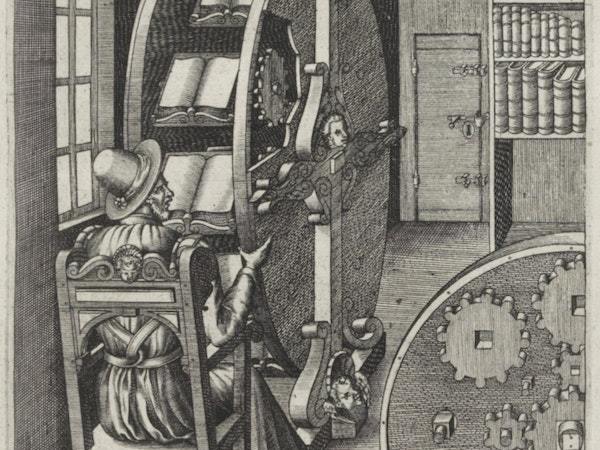
“Is there anyone who does not dream? Who does not contain worlds unimagined?” -Neil Gaiman, World’s End I’ve been working on a couple of new essays I hope to post soon. Plato’s Earth and Ephrem’s Pearl will explore the value of reading ancient literature. I also take a humorous approach to the issue of meaning in A Hardboiled Literary…
Measure in Everything and Much Ado About Nothing
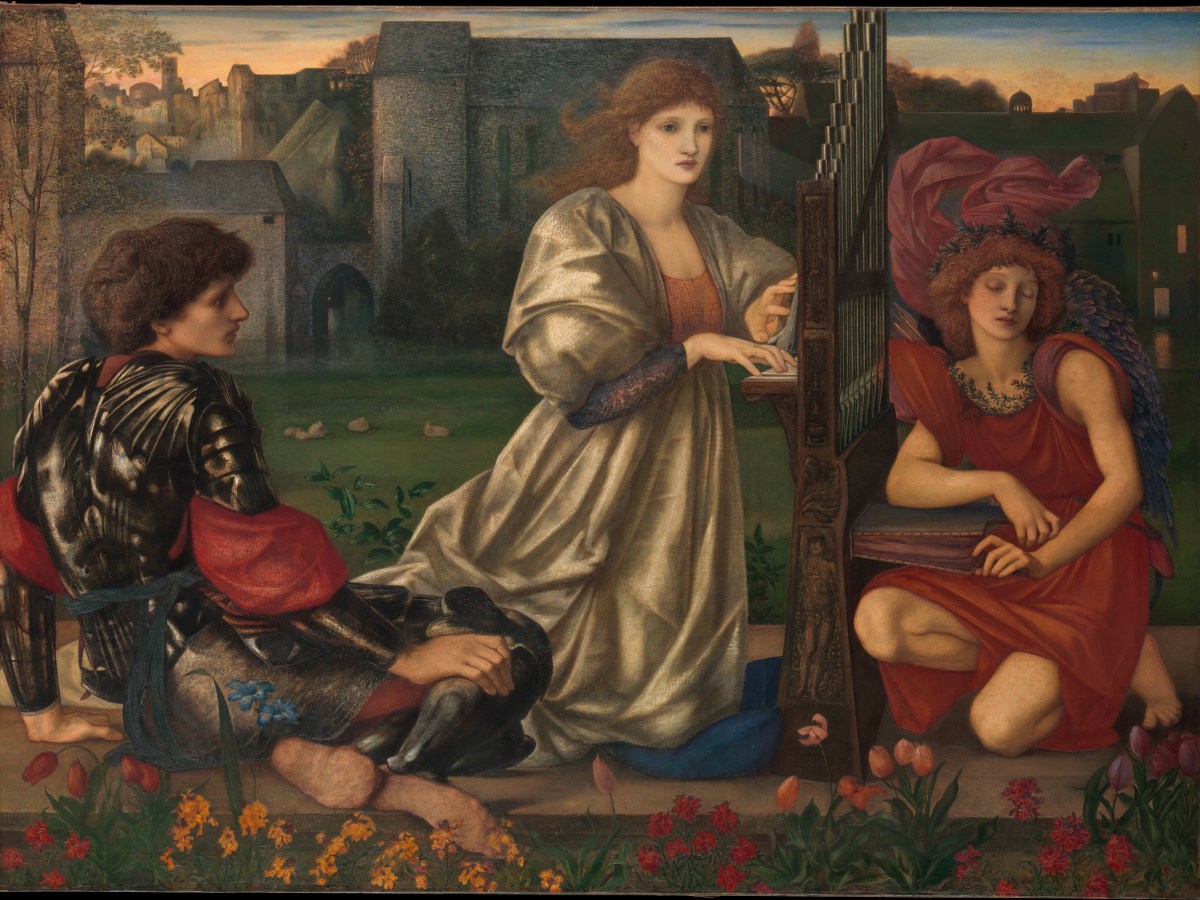
Shakespeare’s Much Ado About Nothing shows us the poet at the height of his creative powers. His verse had yet to find that deeper timbre we later hear in Macbeth and King Lear. But as Swinburn expresses it, “for absolute power of composition, faultless balance, and blameless rectitude of design, there is no creation of Shakespeare’s that will bear comparison…
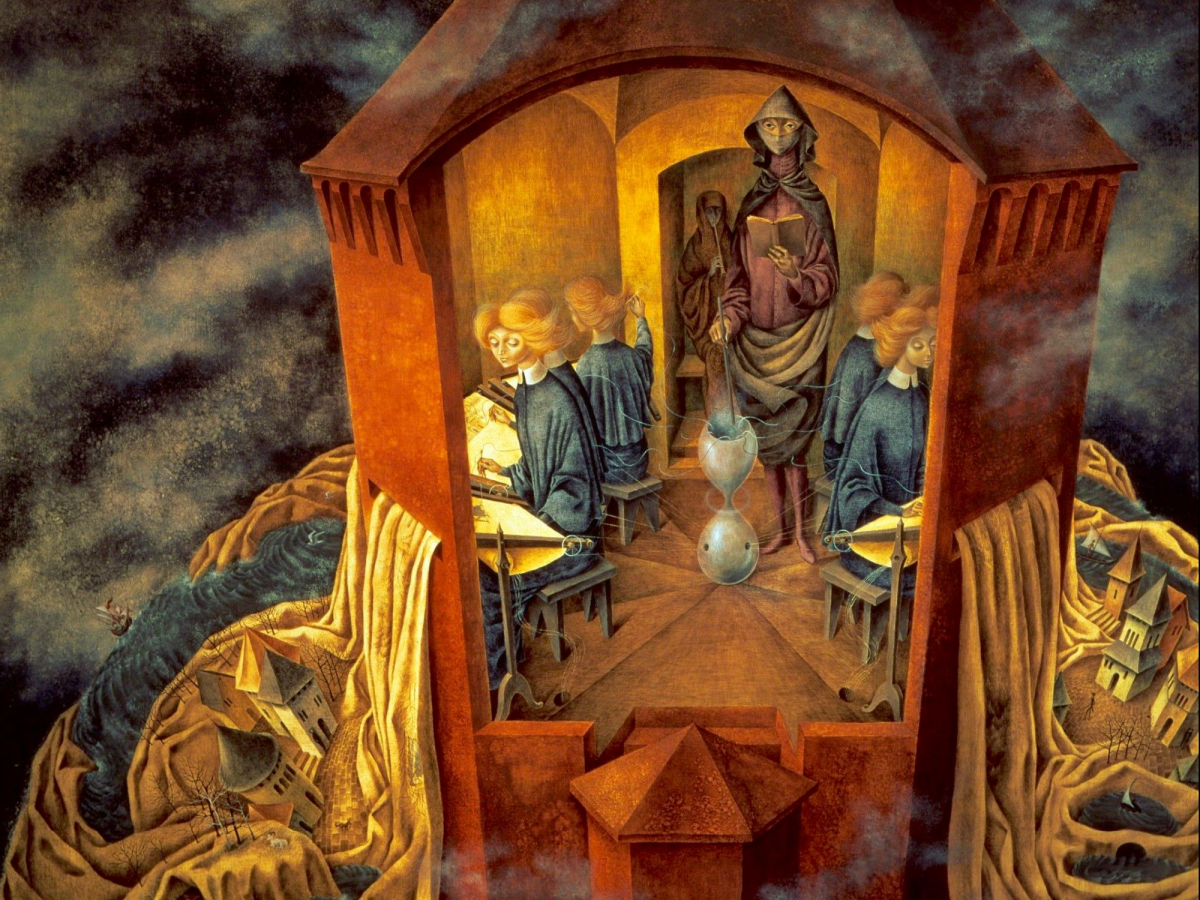
Shall I Project a World? A Meditation on The Crying of Lot 49
Thomas Pynchon has a reputation as a difficult novelist. If we come to his fictions fresh from the tradition of American Naturalism, we may be lulled by their humorous, jokey tone into a belief that all is most conventional. The writer is obviously just poking a little fun, engaging in a bit of satire. We…
Something went wrong. Please refresh the page and/or try again.
Follow My Blog
Get new content delivered directly to your inbox.
 Worlds Imagined